This was more than an event. It was a statement that rare disease patients belong in the halls of medicine, on the stages of research institutions, and in the rooms where decisions are made. Together with Johns Hopkins, we created a space where clinical excellence met grassroots advocacy—and where hope was not just discussed, but felt.
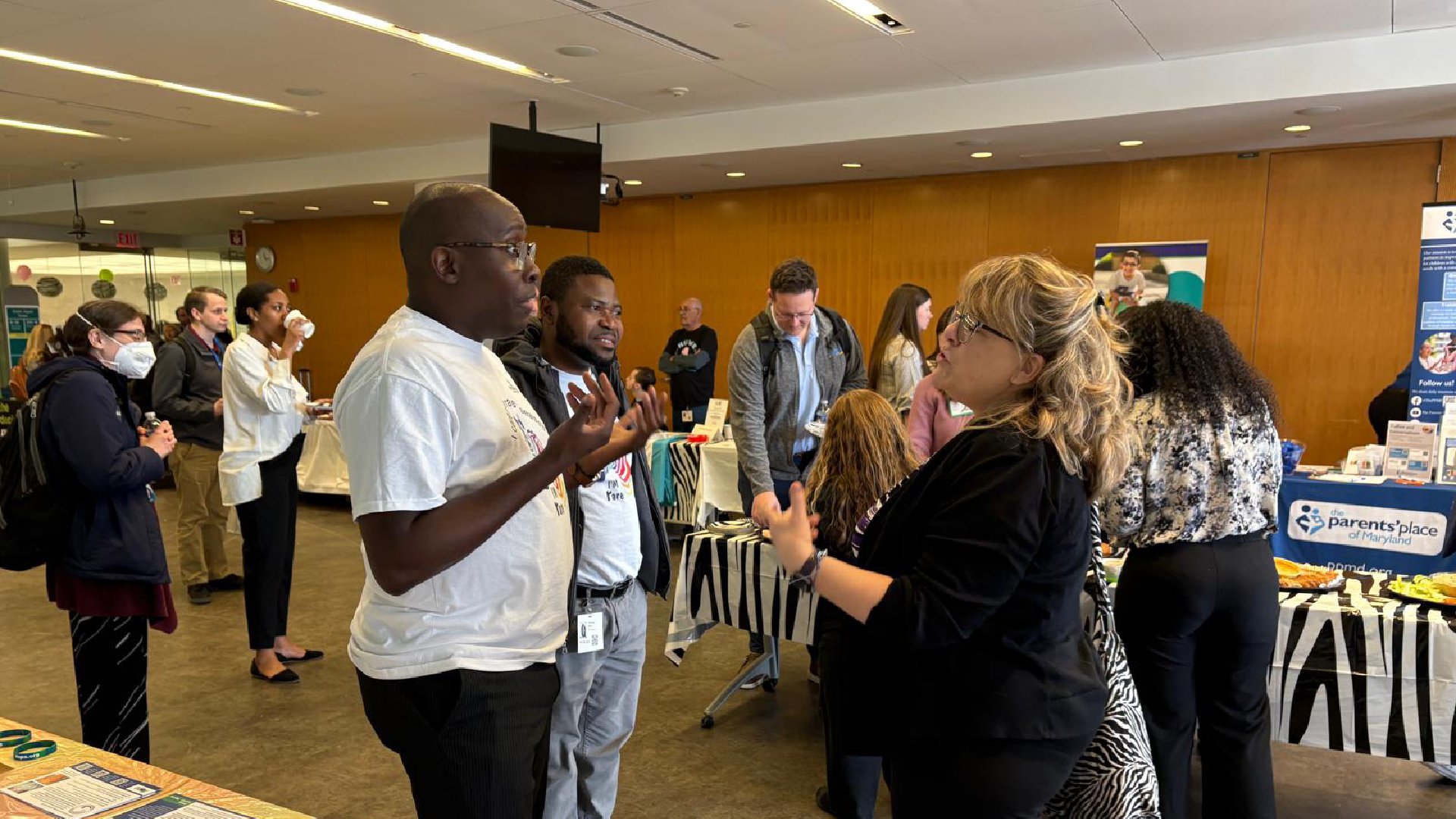
Petronille Healthy Society partnered with Johns Hopkins to bring patients, families, healthcare professionals, researchers, and advocates together for Rare Disease Day 2026. The collaboration connected the expertise of a leading academic medical institution with the experiences of people and families living with rare diseases. By opening its doors to the rare disease community, Johns Hopkins provided a setting where medical knowledge, research, patient experiences, and community perspectives could come together in one shared conversation.
The partnership created an opportunity for meaningful exchange across the rare disease community. Patients and families were able to share their experiences directly with healthcare professionals and researchers, while clinicians and advocates gained a deeper understanding of the challenges families face beyond the clinical setting. Rare Disease Day 2026 demonstrated the value of bringing institutions and communities together around a common commitment to greater awareness, understanding, and support for people affected by rare diseases..
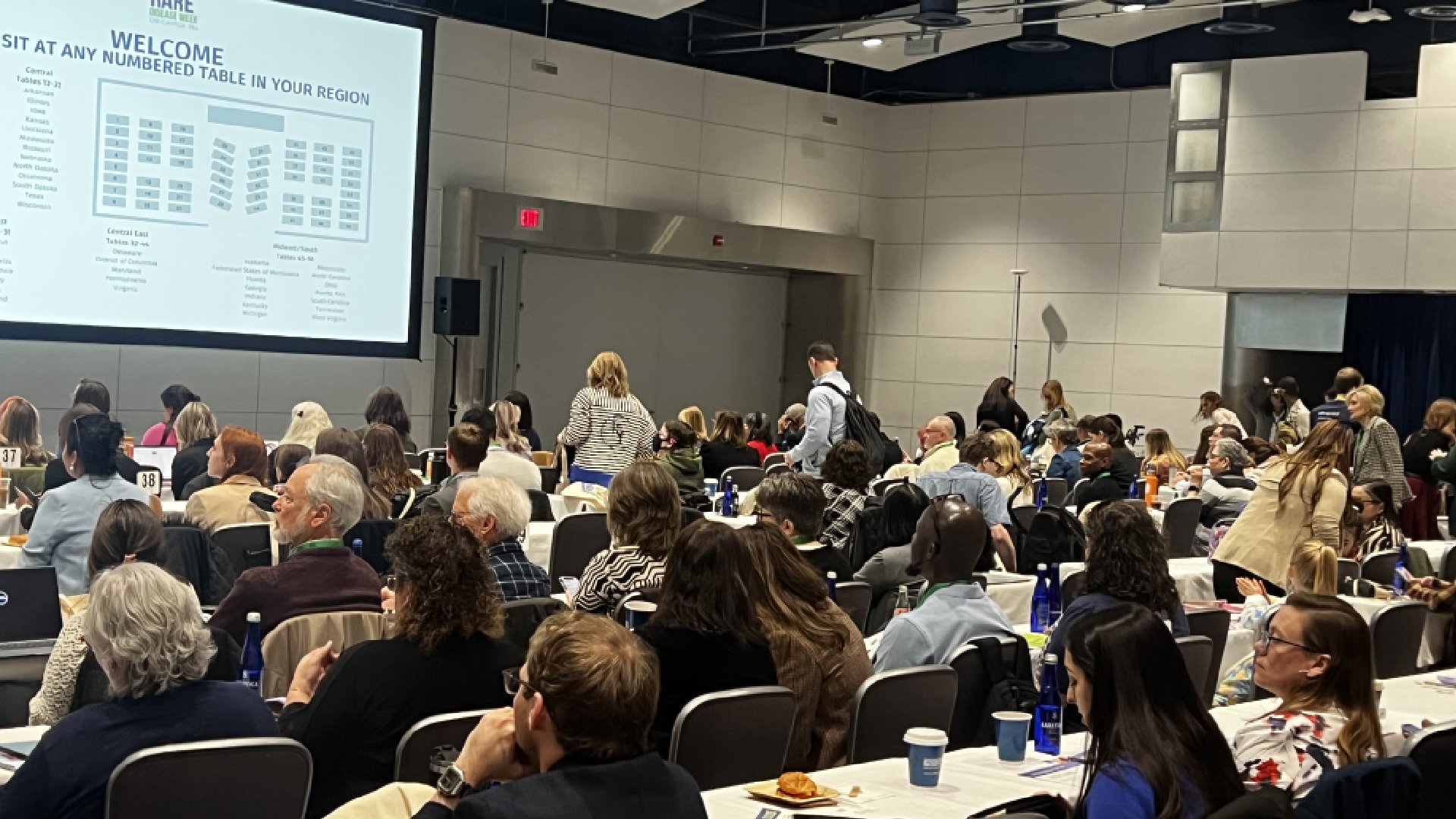
The morning began with a welcome that filled the auditorium. Hundreds of attendees—patients, parents, medical students, nurses, and advocates—gathered under the Johns Hopkins banner to kick off a day dedicated to awareness and action. The energy was electric. For many, it was the first time they had ever entered a space where their condition was not an anomaly, but the reason everyone was there.
Johns Hopkins leadership and Petronille Healthy Society founders shared the stage, outlining a shared vision: to make Maryland a model for rare disease care, research, and advocacy. The audience did not just listen. They leaned in. Because this was their day, their stage, and their story.
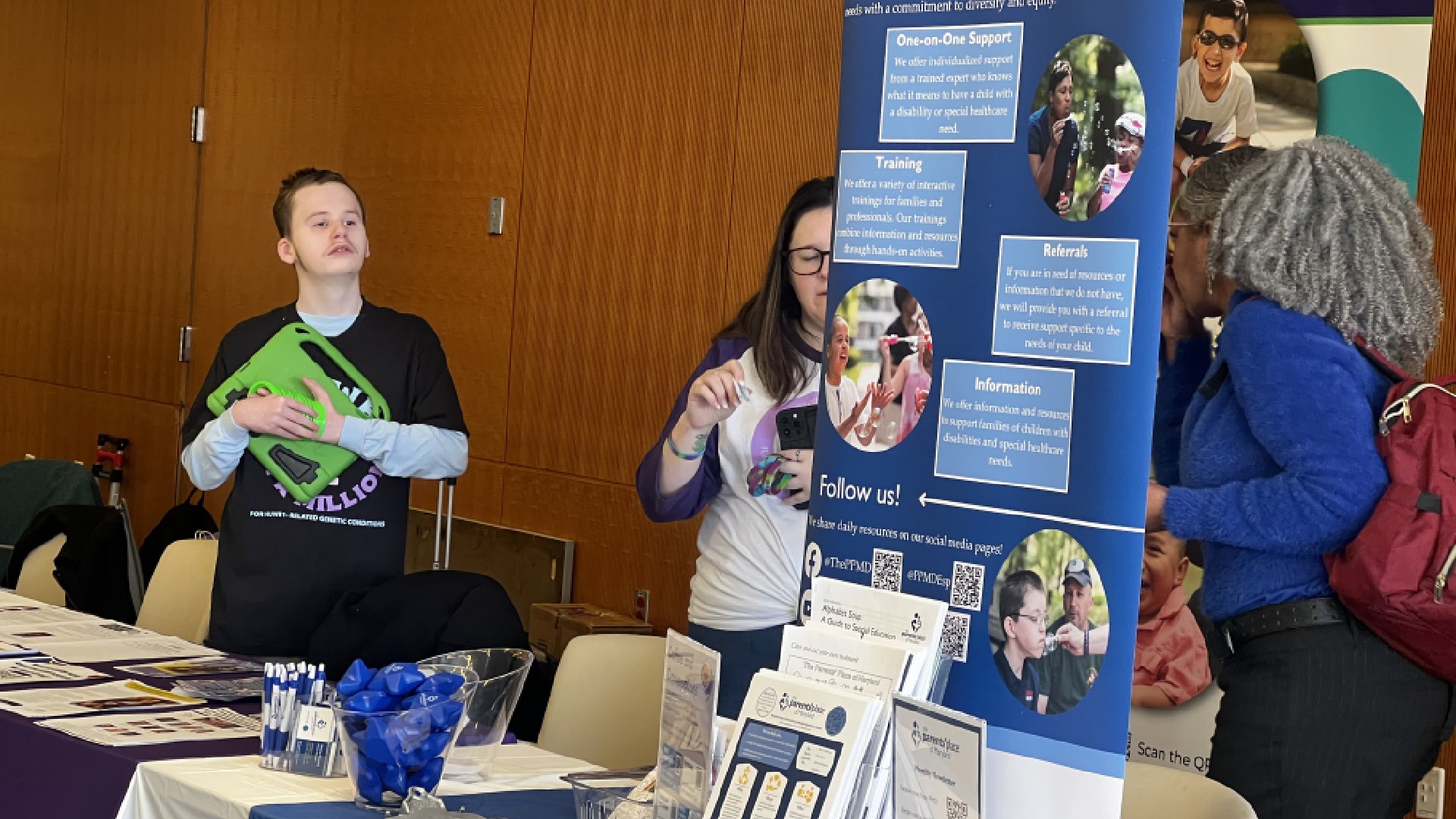
Throughout the day, the resource fair buzzed with purpose. Families collected materials, signed up for the Patient Advocacy Workshop Group, and met one-on-one with specialists who offered real pathways to care. Booths lined the halls with information on clinical trials, genetic counseling, insurance navigation, and mental health support—resources that can take months to find, now available in a single afternoon.
Our advocacy team was on the ground, guiding families through the complexities of appeals, referrals, and care coordination. For parents who had been fighting alone in parking lots and waiting rooms, this was a revelation: you do not have to do this by yourself anymore.
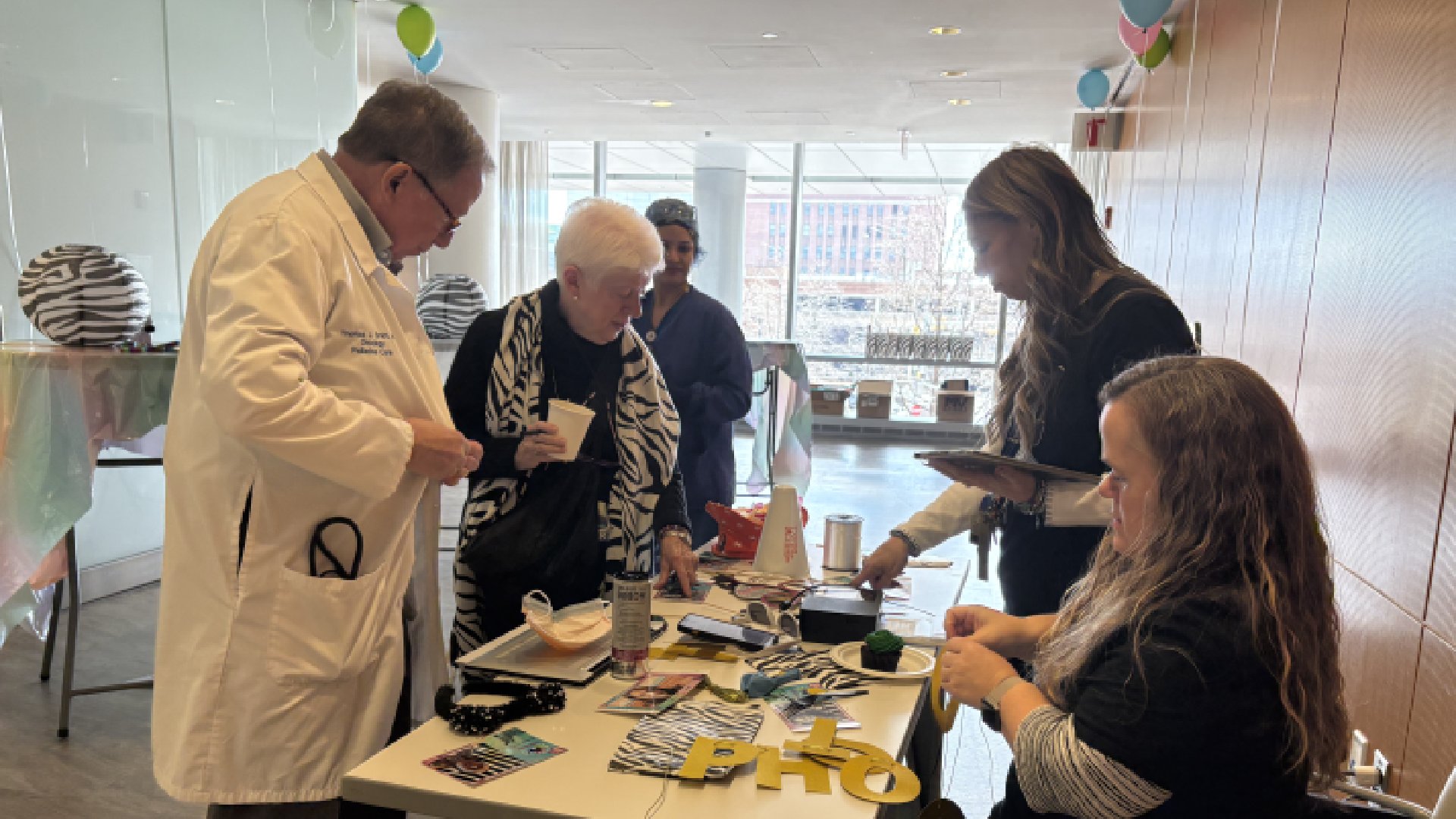
In breakout rooms and workshop spaces, attendees did more than listen—they participated. Interactive sessions guided families through hands-on activities designed to build confidence, communication skills, and community. Children crafted alongside their parents. Caregivers shared strategies with strangers who instantly felt like friends. And clinicians watched, learned, and sometimes sat in silence as patients taught them what textbooks never could.
These workshops were not lectures. They were lifelines. Every conversation, every exchanged phone number, every shared tear was a thread in a growing tapestry of support that extends far beyond a single Saturday in February.
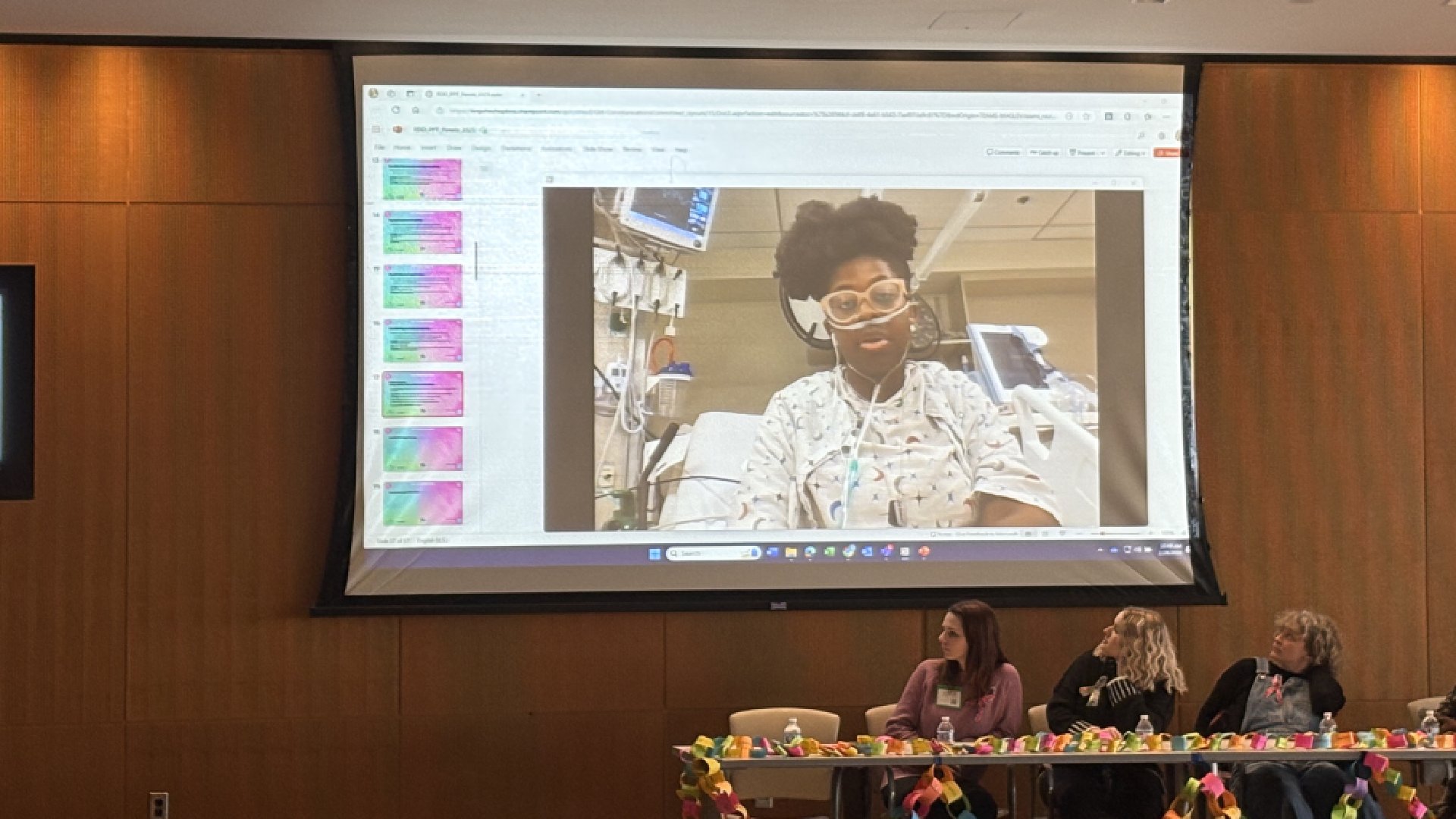
The most powerful moments of Rare Disease Day 2026 came from the patients themselves. In a groundbreaking panel, speakers joined both in person and virtually from hospital rooms, sharing raw, unfiltered stories of delayed diagnoses, insurance battles, and moments of triumph. The Johns Hopkins clinical team responded in real time, offering immediate pathways to care and committing to faster referral pipelines for rare disease families across Maryland.
One attendee said it best: "Standing inside Johns Hopkins on Rare Disease Day, I finally felt like our stories mattered to the people who write the prescriptions and set the policies. This was not just an event. It was a shift in power."
Rare Disease Day 2026 was measured not just in applause, but in outcomes. More than 300 attendees filled the Johns Hopkins campus. Five patient panels gave voice to conditions that are too often whispered about. Twelve distinct rare diseases were represented in our programming. And one historic partnership was forged between Petronille Healthy Society and Johns Hopkins—a collaboration that will extend far beyond a single day.
But the numbers that matter most are the ones we cannot yet count: the diagnoses that will come sooner, the treatments that will be accessed faster, and the advocates who will rise up because they were in that room on February 28, 2026.
As the day closed, Petronille Healthy Society and Johns Hopkins signed a letter of intent to expand their partnership, pledging joint research initiatives, annual Rare Disease Day events, and a new rare disease patient navigation program at the Johns Hopkins campus. The room stood in ovation—not for a performance, but for a promise.
We are not stopping here. Rare Disease Day is one day. Advocacy is every day. With Johns Hopkins at our side, we will continue fighting for equity, access, and answers until no rare disease patient in Maryland ever has to walk alone. Join us—and help us build a world where every rare voice is heard, every rare condition is researched, and every rare family is supported.


.png)