Built on four pillars of care, the Program keeps children learning through treatment, removes the transportation barriers that put recovery at risk, heals emotional wounds through creative expression, and connects families with others who truly understand. Every service is delivered where families already are: hospital rooms, infusion centers, and homes across the Washington, D.C. metropolitan area. And every family is tracked from enrollment through completion, so our supporters see exactly what their generosity achieves.
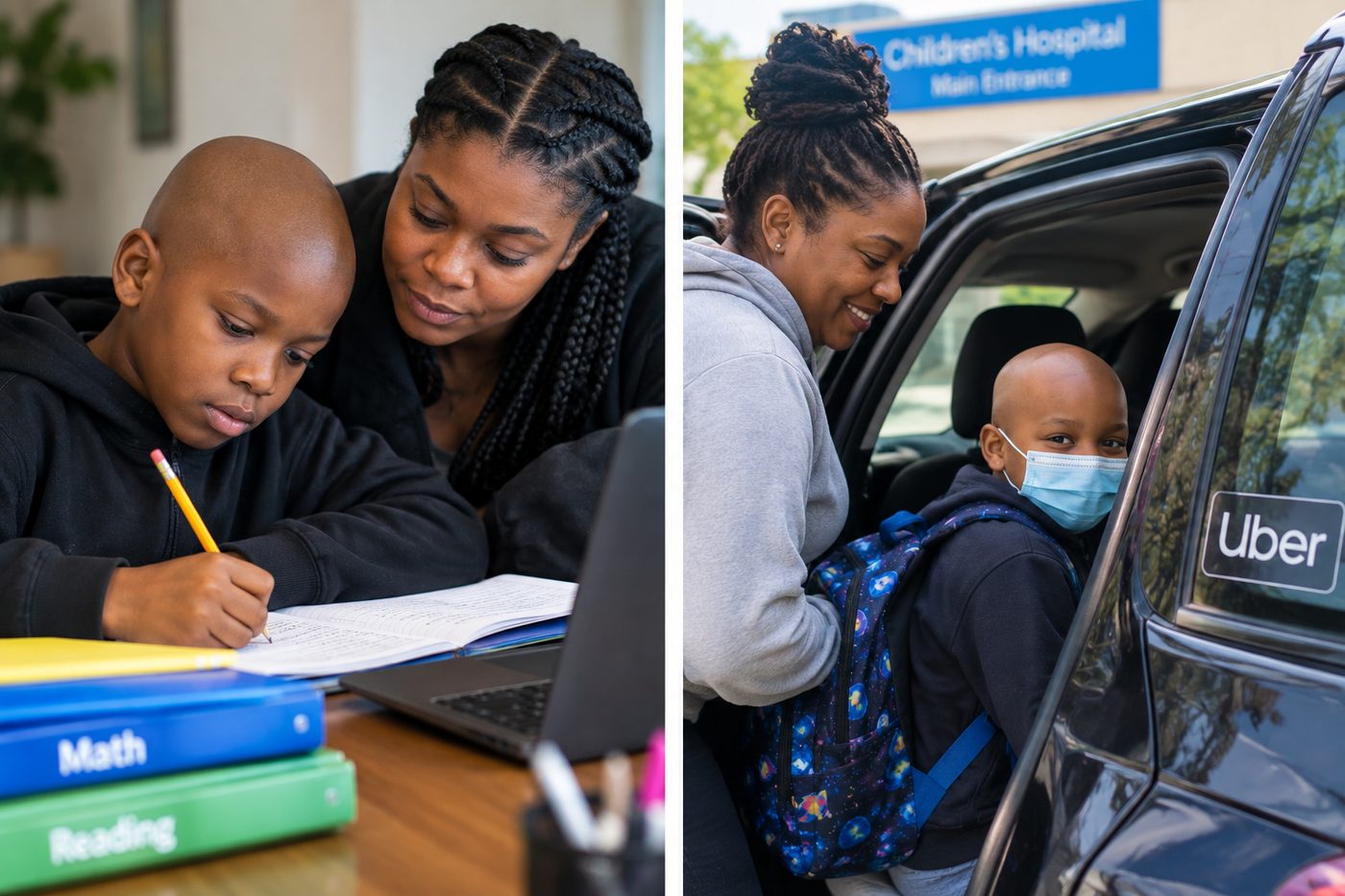
The Pediatric Oncology Program is a year-round initiative that enrolls 60 low-income children with cancer in the Washington, D.C. metropolitan area each year, served in two six-month cycles of 30 children. Every child enters the program with a documented baseline covering educational standing, transportation needs, and emotional wellness. Support is not one-size-fits-all: it is assessed, delivered, monitored monthly, and adjusted as treatment schedules change, from enrollment through completion.
Our core measure of success is educational continuity: the number of children who remain on track to advance to the next grade during treatment. We track schoolwork engagement each month, assignments completed during treatment and recovery, and chemotherapy and follow-up appointments attended with program-provided transportation. Grade progression is verified through available school records, while family-reported progress supplements these measures. Behind every number is a child whose future stayed intact, a treatment plan that stayed on schedule, and a family that stayed whole.
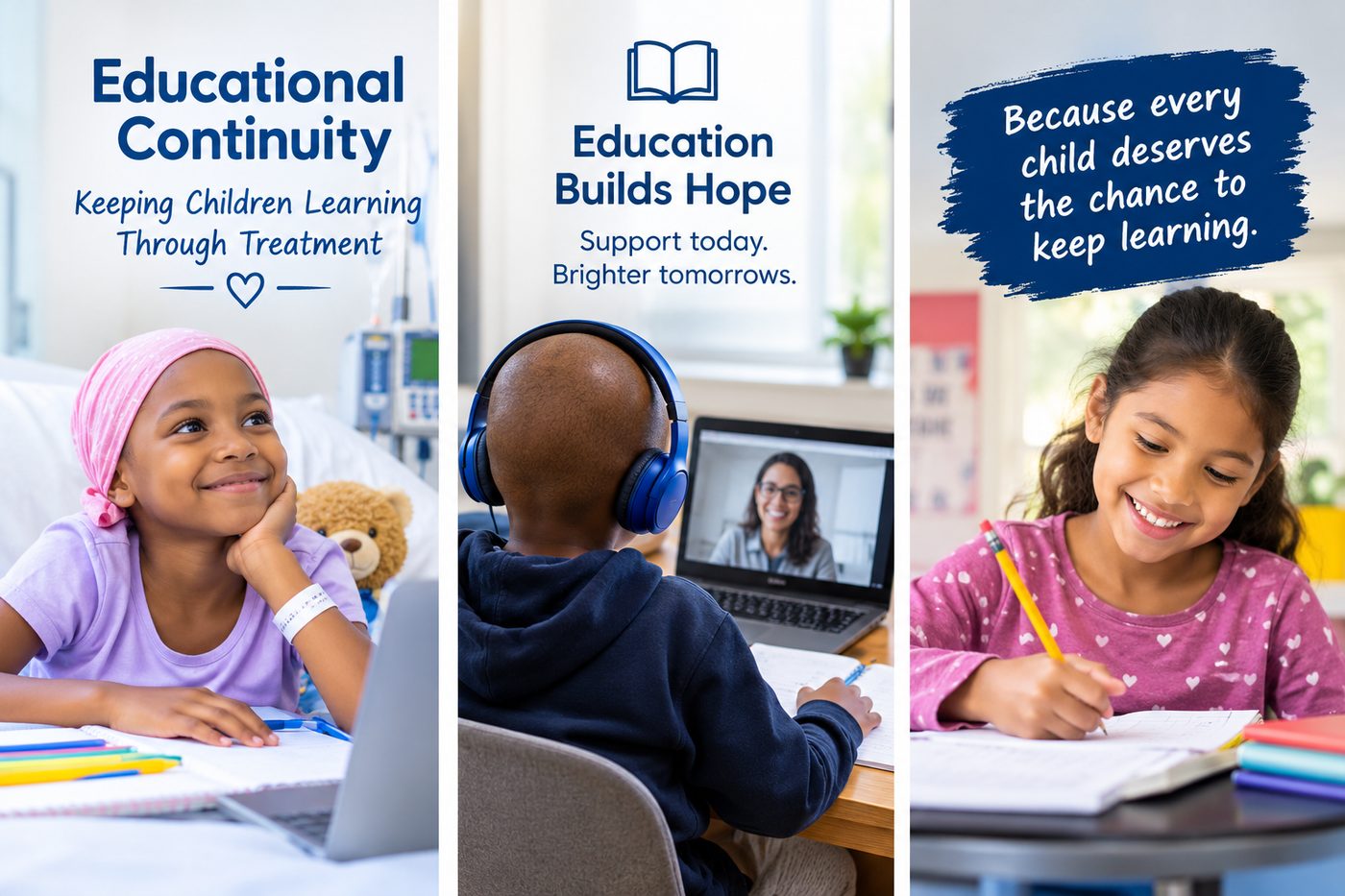
Prolonged hospitalization and recovery regularly pull children out of school, leaving them behind on assignments and at risk of losing ground with every week of treatment. Some children miss weeks or even months of classroom instruction. They return to find material they never learned, friendships that shifted while they were gone, and a growing fear that cancer has permanently derailed their future. For a child fighting cancer, falling behind in school can feel like losing a second battle.
The Program keeps children learning wherever treatment takes them. Every enrolled child receives an electronic learning device and a Wi-Fi hotspot. Each child is also paired with a dedicated teacher who follows the child's school curriculum one-on-one, adapting lessons to treatment schedules, coordinating with the child's school, and tracking school participation and grade standing every month so no subject is left behind. Together, the device and the teacher connect the child directly to their classroom from hospital beds, infusion chairs, and recovery rooms at home. Our core measure of success is concrete: the number of children who continue their education during treatment and remain on track to advance to the next grade, verified through available school records. A child in treatment who stays on track in school is a child whose future remains fully open.
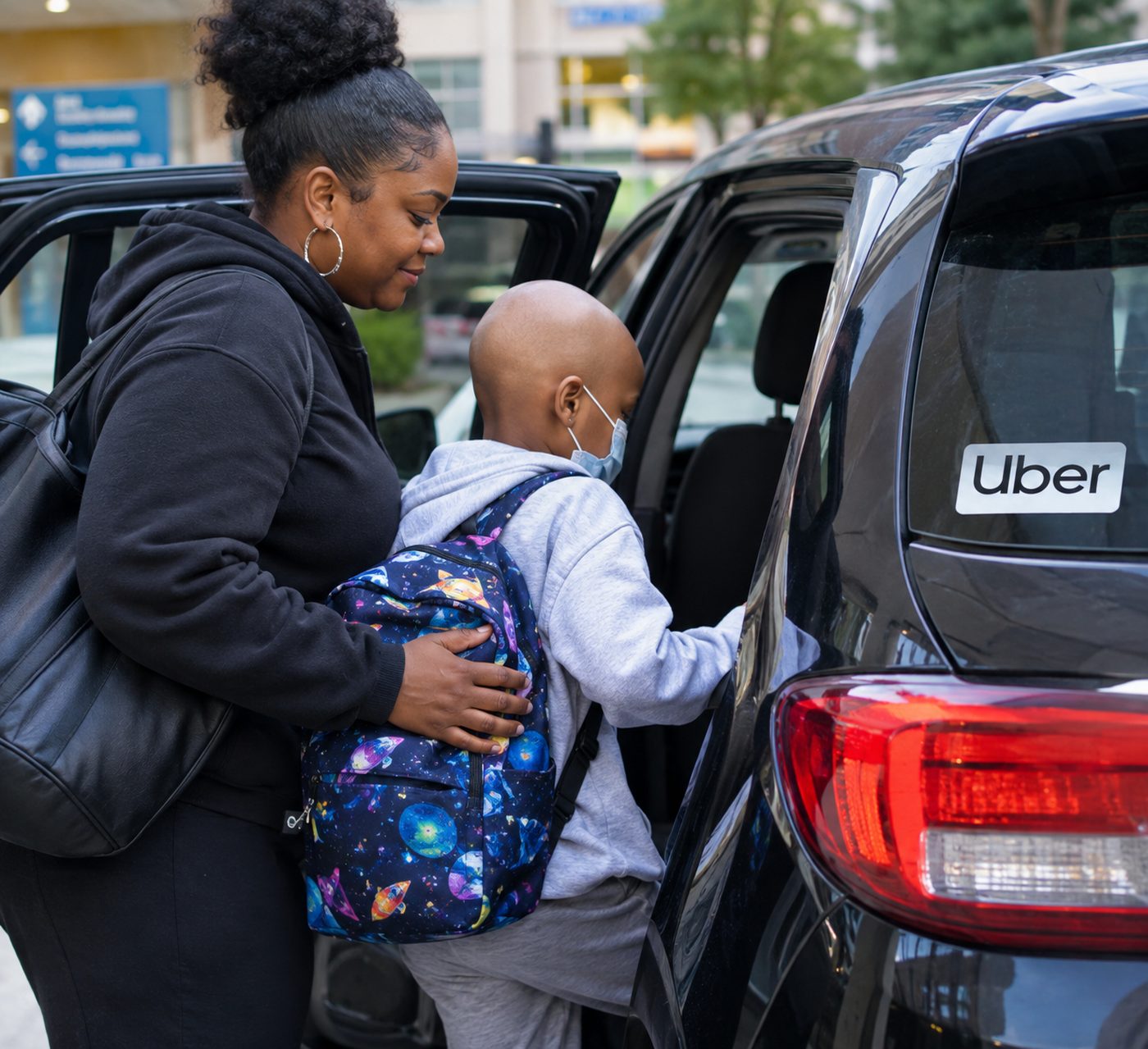
For low-income families without reliable vehicles, frequent trips to the hospital for chemotherapy and follow-up appointments are often impossible. Public transit with a child weakened by treatment is exhausting and sometimes unsafe. Rideshare costs add up fast. As a result, appointments get delayed, rescheduled, or missed entirely, and every missed appointment puts a child's recovery at risk. A delayed infusion or a skipped scan can weaken the very treatment plan the family is fighting so hard to follow.
The Program removes transportation as a barrier to survival. Program-provided shared-ride vouchers ensure families reach every chemotherapy session, every follow-up appointment, and every essential scan, on time and without financial catastrophe. When treatment demands more than a ride, direct financial assistance helps families absorb the costs insurance never covers: meals during long hospital days, essentials that fall by the wayside when both parents are at a child's bedside, and the small emergencies that become crises for families already stretched to their limit. We track every ride and every appointment attended with program support, because behind each number is a treatment plan staying on schedule and a recovery staying on course.
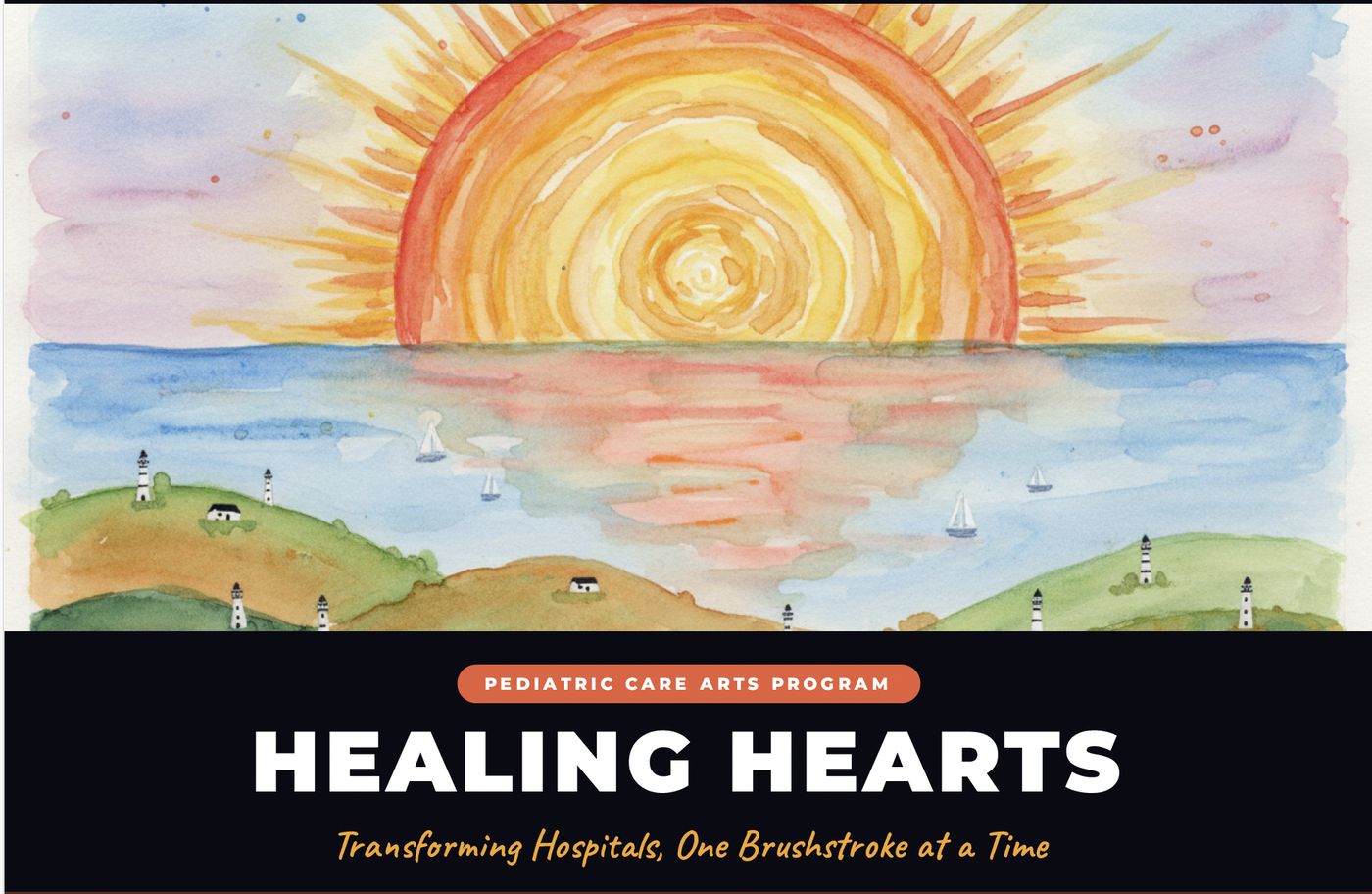
Cancer treatment is physically demanding, but its invisible wounds often run deepest. Fear, anxiety, grief, and isolation do not appear on scans, yet they shape a child's daily experience of illness and recovery. Children in treatment carry emotions they cannot name and experiences their friends cannot imagine. Without a healthy outlet, those feelings turn inward, affecting sleep, mood, and the will to keep fighting. The Program gives children a language for what they are carrying, one that does not require words. Through guided art activities and creative expression kits, children paint, draw, sculpt, and create their way through treatment.
Art becomes a tool for processing fear, reclaiming a sense of control, and experiencing joy at a time when joy feels scarce. These sessions also create moments of normal childhood inside abnormal circumstances: laughter over paint palettes, quiet focus on a project, pride in a finished piece hung on a hospital wall. A canvas cannot cure cancer, but it can hold a child's whole story, and that matters to recovery in ways medicine alone cannot measure.
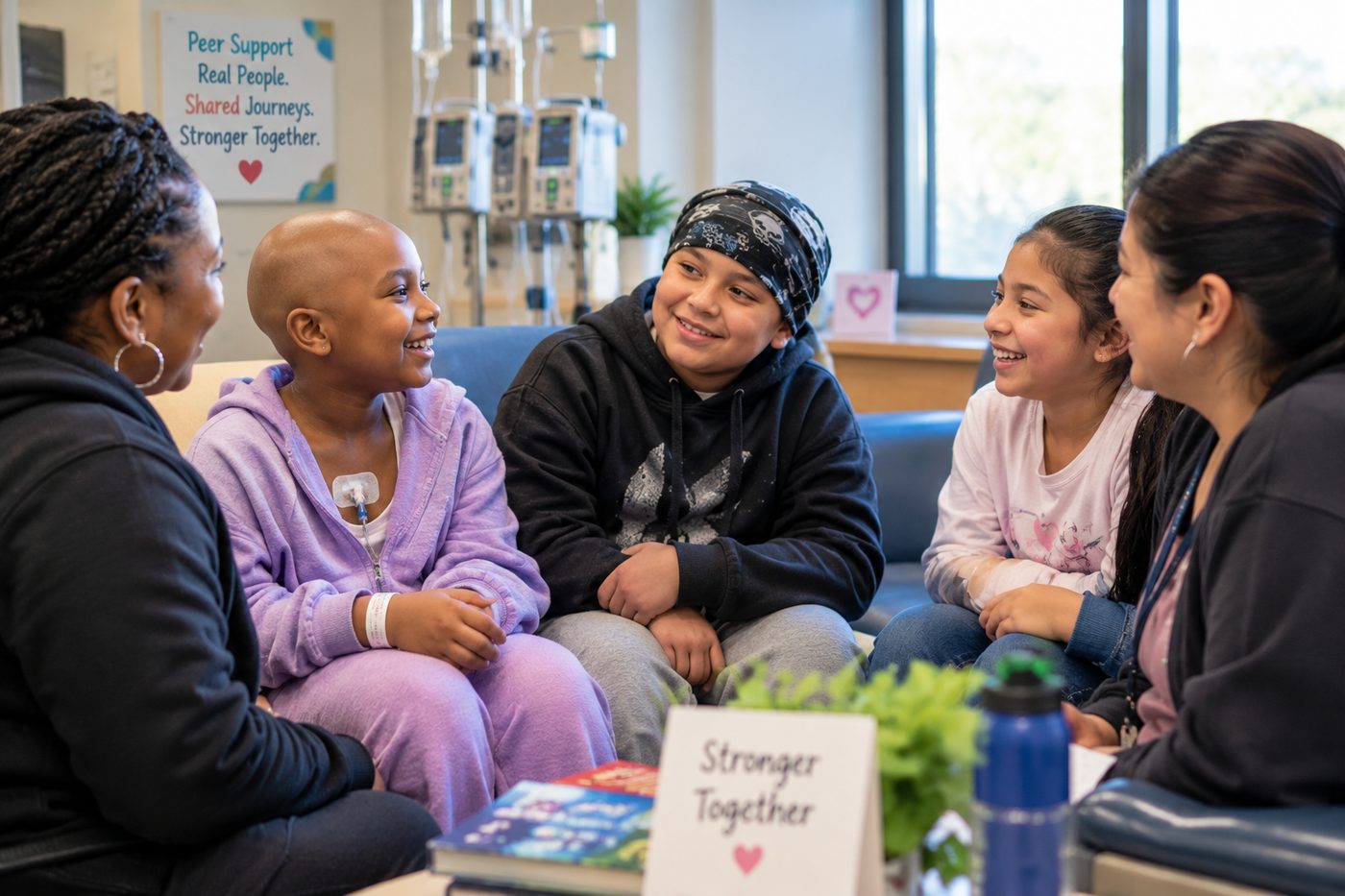
A childhood cancer diagnosis can be profoundly isolating. Friends at school cannot fully understand what a port is or why a child cannot simply return to class. Even loving family members, however dedicated, have not sat in the infusion chair. The loneliness of being "the sick kid" is one of the heaviest burdens a young patient carries, and it does not lift when treatment ends.
The Program connects children and families with peers who truly understand. Through peer matching, group activities, and family connection events, children in treatment meet others walking the same road. They swap stories about what helped them through the hard weeks, compare notes on side effects and strategies, and celebrate milestones big and small with people who get it. Parents find the same refuge in each other, trading practical wisdom and emotional support with families who know the vocabulary of hospital life. These connections do more than comfort. Children who feel understood show up to treatment stronger, cope better with side effects, and carry hope more easily into each new phase. In the Program, no family fights alone, because isolation is a barrier to healing and connection is its own form of medicine.
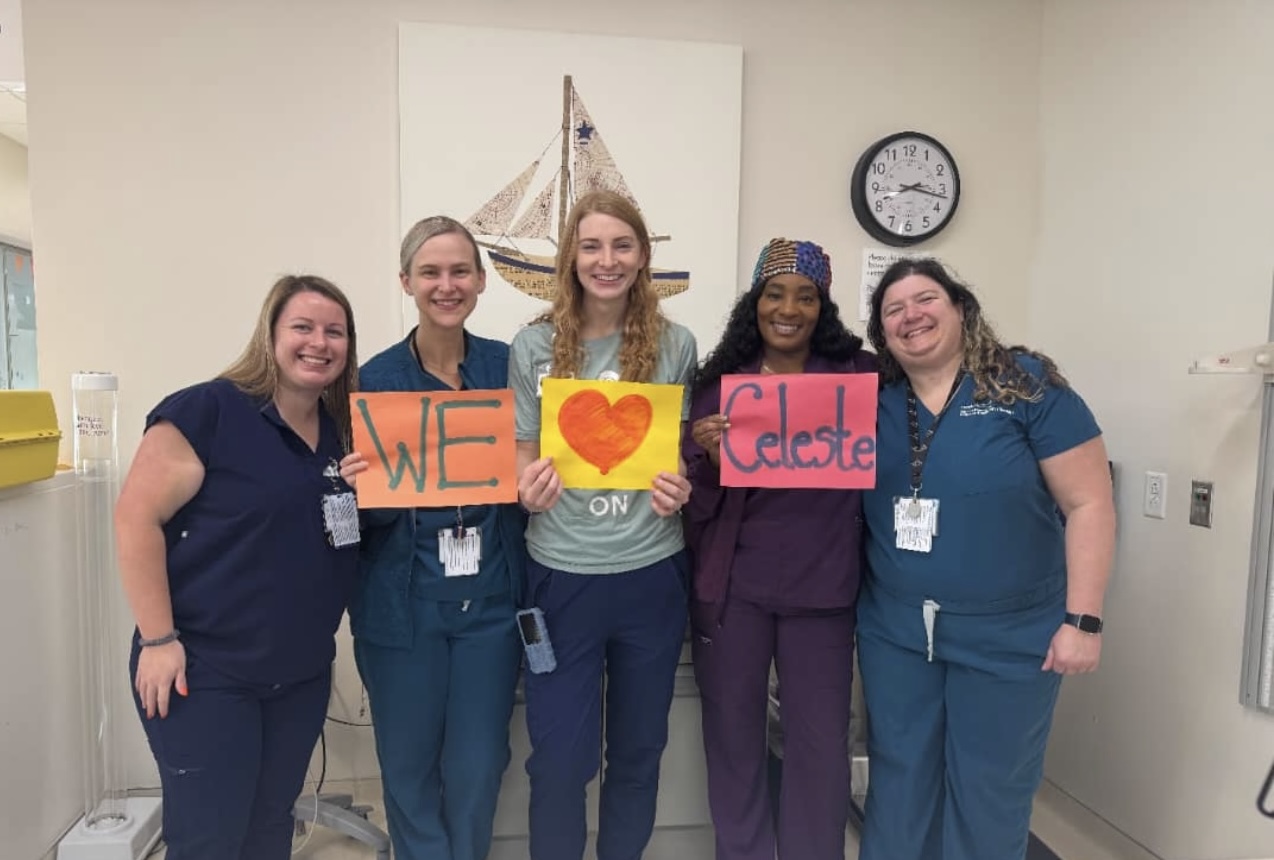
The Pediatric Oncology Program is built in collaboration with the healthcare teams who care for our children every day. Oncology nurses, child life specialists, social workers, and clinic staff are often the first to see when a family is falling behind on schoolwork, missing appointments, or struggling in silence. By building strong relationships with these care teams, the Program reaches families earlier, coordinates support around real treatment schedules, and makes sure no need goes unnoticed. Our healthcare partners do more than refer families. They champion the program inside the hospital, advocate for their patients, and stand with us as true co-creators of this circle of support.
These partnerships also hold us accountable to the highest standard. When care teams trust us with their patients, they are trusting that we will deliver, measure, and report real outcomes. Every healthcare partner receives transparent outcome reporting showing exactly what the Program achieved for their patients: children on track to advance to the next grade, appointments attended, families kept whole. We invite hospitals, clinics, and care teams across the Washington, D.C. metropolitan area to partner with us. Together, we can make sure the support around a child is as strong as the medicine inside them.
.png)